Lakeshore Aikido Club
  • Home
  • BLOG
  • About...
  • B.M.1 I.
  • Contact
  • What We Offer
  • VISION/MISSION
  • Home
  • BLOG
  • About...
  • B.M.1 I.
  • Contact
  • What We Offer
  • VISION/MISSION
Search by typing & pressing enter

YOUR CART

BLOG


STAYING ACTIVE, STAYING SAFE: AIKIDO FOR OLDER ADULTS

    AIKIDO, a modern Japanese martial art, is excellent for seniors (60+) because its principles of fluid, circular movements redirecting energy instead of force build strength, flexibility, balance, and coordination without heavy impact on joints, reducing injury risk. It promotes mental focus, calmness, and self-confidence while offering adaptable self-defense skills, even learning to fall safely. The supportive community in a dojo further enhances well-being and provides a gentle yet effective way to stay active and engaged. Aikido is a physical activity that is martial but nonviolent, and while being dynamic, it offers a low-impact and force-free path to wellbeing and mental fitness. 
Picture
Picture
Rediscover Movement

Dr Peter M. Wayne of Harvard Medical School and his research team have identified a surprising activity as one of the best ways for older adults to stay fit and healthy: martial arts like Aikido. Aikido is not about fighting or high-speed action, instead it focuses on low impact, mindful movements that improve balance, strength, and mental clarity.
​
The practice of Aikido guarantees improved balance and coordination. The fluid, circular motions and the emphasis on body awareness directly enhance balance, a crucial factor in preventing falls. It also fosters increased strength and flexibility thanks to controlled movements and joint locks, which, although modified for seniors, strengthen muscles and improve flexibility in the joints and surrounding tissues. Aikido movements create synovial fluid, which lubricates joints, and the gentle practice of rolling and falling safely helps maintain hip and shoulder mobility, which can be lost with age.

Stretching and Flexibility

Stretching is a fundamental component of Aikido practice, and adapted and performed safely under the guidance of a qualified instructor, stretching can be very beneficial for seniors. Like any regular stretching routine, it can significantly improve flexibility, balance, and overall physical function, which are crucial for active aging. Regular stretching helps seniors combat the age-related decline in flexibility and joint mobility. This makes everyday tasks, like bending over or reaching for things, easier and more comfortable.

Aikido emphasizes proper body alignment and core engagement, which helps counteract the poor posture that can develop with age. By improving flexibility and balance, Aikido helps protect the body from strains and reduces the risk of serious injuries from falls. Learning how to fall and roll safely in Aikido can also be a life-saving skill. Poor balance is a major risk factor for falls in older adults. Aikido training specifically addresses this through controlled movements and proprioception, the body’s awareness of its position in space. The Lakeshore Aikido Club is one of the very few dojos that offer classes for seniors to focus on safe, low-impact training in the country!
Picture
Picture
Aikido Breathing Exercises (kokyu undo)
​
The mindful, deep breathing techniques (known as kokyu) taught in Aikido provide numerous physiological benefits for seniors, including reduced stress. Deep breathing activates the parasympathetic nervous system, triggering the body’s relaxation response, which lowers stress levels and reduces anxiety. They also contribute to lowered blood pressure, since the consistent practice can help regulate blood pressure by reducing the production of stress hormones. Lung function can improve too because techniques like diaphragmatic (belly) breathing (hara kokyuho) strengthen the diaphragm, improve oxygen flow, and can be helpful for those with respiratory issues. Additionally, by increasing oxygen and nutrient distribution to the body’s cells, deep breathing can lead to improved energy levels and overall vitality, a strengthening of the immune system, and better sleep.

Mental Benefits

In addition to breathing, Aikido incorporates mental exercises through mindful practice that can significantly benefit seniors. Executing and remembering movement sequences, along with focusing on the present moment, help to keep the mind sharp and improve concentration and memory. Aikido practice builds self-confidence, improves calmness and helps cultivate the ability to respond with coolness to unfamiliar situations, thus fostering resilience, self-discipline, and a greater sense of confidence in daily life.

As a Japanese martial art, Aikido includes specific mental exercises in its practice such as mokuso or “silent thinking,” which at the Lakeshore Aikido Club is practiced for a few minutes at the end of each class.

A Wholesome Practice Uniting Mind and Body

By offering a tailored and mindful approach to the practice of Aikido, the Lakeshore Aikido Club gives seniors the opportunity to gain significant physical and mental health benefits. Aikido is a gentle, low-impact martial art that emphasizes fluid movement, balance, and centered breathing, making it well-suited for older adults. These practices offer significant physical, mental, and emotional benefits with a low risk of injury. The breathing and mental exercises found in Aikido are highly beneficial for seniors. Through practice, seniors can become more in tune with their bodies and their environment, which can help reduce the fear of falling.

A Social Experience

In addition to physical benefits, taking part in group classes offers valuable social interaction and shared experiences, which helps combat loneliness and isolation, it can help older adults stay socially connected, an important factor in maintaining emotional health. Finally, it improves emotional well-being with its focus on peaceful resolution and blending with another's energy, rather than fighting them. This can help practitioners manage conflicts with greater ease, developing self-confidence, and fostering a more positive outlook.
Picture
Come and join the course! Everybody is welcome!
Classes begin Wednesday January 7th 7:00-8:00PM.

Required registration deadline by and (ideally!) not later than Sunday December 14th. To register, please visit the Lakeshore Aikido Club website at www.lakeshoreaikidoclub.com and fill and submit the forms displayed.
Antonio Terrone sensei, owner and chief instructor of Aikido at the Lakeshore Aikido Club will be happy to answer any questions.

5 WAYS IN WHICH AIKIDO CAN IMPROVE YOUR WELLBEING

   AIKIDO is a traditional Japanese martial art where one blends with an attacker's energy to redirect their force. Through circular movement and advantageous position, techniques redirect the force of aggression to harmonize with the encounter. The goal in Aikido is nonviolent conflict resolution and self-mastery, emphasizing natural body mechanics, timing, and positioning over physical strength or aggression.

Aikido differs from most martial arts because trains individuals to intervene only when an opponent comes at them, and tips them using their own momentum so that they loose balance, control, and they fall. It focuses on using an attacker’s power to neutralize them through blending, redirection, pain compliance, joint locks, and throws, rather than meeting force with force. Unlike combat or grappling sports, its goal is not to defeat an opponent but to resolve conflict with minimal or no violence. It is also what in Japan is considered a do (way) rather than a jutsu (method/technique), emphasizing character development and self-awareness alongside physical technique.
Picture
Core features in philosophy and technique
​
  • Non-violent resolution: Aikido seeks to neutralize aggression and end conflict harmoniously, whereas many martial arts focus on winning a fight.
  • Redirecting energy: Instead of blocking or striking, Aikido practitioners blend with and redirect an attacker's force, using their momentum against them.
  • Self-improvement: As a “do” or “way,” Aikido's focus is on the practitioner's personal and spiritual development through training, not just combat techniques.
  • Defensive and adaptive: It is a defensive art that prioritizes minimizing harm to both the attacker and the defender, offering a way to de-escalate conflict.
1. Build Real Confidence Through Calm Power

Aikido teaches you how to stay centered, calm, and in control even in stressful situations. Instead of reacting with aggression or fear, you learn how to move with balance and intention. This sense of inner strength translates to everyday life—handling exams, work stress, or personal conflicts with quiet confidence. Aikido shows that true strength doesn’t come from domination, but from understanding and harmony with the world around you.

2. A Complete Workout for Body and Mind
​
Forget repetitive gym routines—Aikido keeps your body moving dynamically and your mind fully engaged. You’ll improve flexibility, coordination, posture, and endurance while learning techniques that develop awareness and timing. Every class is a combination of physical challenge and mental focus, leaving you both energized and grounded. It’s fitness with purpose—a practice that builds strength while sharpening your concentration and resilience.
Picture
Picture
3. Learn nonviolent Conflict Resolution

In a world full of stress and confrontation, Aikido offers a refreshing alternative: resolving conflict without violence. It teaches you how to redirect negative energy instead of opposing it. Whether in an argument, a workplace challenge, or a tough day at school, Aikido helps you maintain clarity and compassion. It’s not just a martial art—it’s training in emotional intelligence and empathy.

4. Belong to a Supportive, Respectful Community

Aikido dojos are built on cooperation, not competition. You’ll practice with people of all ages and backgrounds, helping each other improve through mutual respect. There’s no pressure to “win” or outperform—only to grow together. The dojo becomes a space of trust and connection where you can challenge yourself safely while making lasting friendships rooted in discipline, kindness, and shared purpose.

5. Cultivate Balance and Mindfulness in a Fast World

Modern life moves too fast, filled with screens, noise, and constant demands. Aikido gives you a pause—a moment of silence in motion. Through practice, you’ll rediscover your body’s rhythm, your breathing, and the simple joy of being present. This awareness extends beyond training, helping you navigate life with steadiness and grace. Aikido isn’t just self-defense; it’s self-discovery—an art that helps you live more consciously and harmoniously.                                                          
Picture
The Single-Day Introduction to Aikido on January 5th is meant to offer you the opportunity to learn hands on what Aikido is and what it can do for you. Give yourself the chance to change your life or better...improve it! Join the Lakeshore Aikido Club!

                    Registration Required – Deadline: December 15th 2025

8/12/2023

What to Wear during Practice

Picture
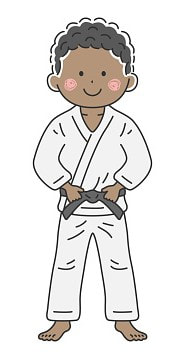
The typical garment traditionally worn in the Aikido dojo as well as in most Japanese martial art dojos is the gi (着),)which in Japanese simply means "garment", "uniform" and "outfit" or also called dogi (道着) "dojo uniform" or keikogi (稽古着) "practice uniform/suit." The dogi in aikido is very similar to the one used in judo. It is white and it consists of a heavy and thick jacket (uwagi), a pair of cotton pants (shitabaki or zubon), and a thick cotton belt (obi). In Aikido, unlike most Japanese martial arts, students wear a white belt until they obtain a black belt. Once a student holds black belt rank, s/he will also wear a hakama, which is a traditional Japanese clothing consisting of a long black or navy blue pleated loose trousers. The hakama covers the white pants.​
​
 The keikogi accepted at the Lakeshore Aikido Club:
  • judo/aikido dogi (with reinforced areas)
  • bleached white
  • unmarked by shoulder patches

Why do we wear a gi in Aikido?

When it comes to beginners starting Aikido for the very first time, there is no need to immediately purchase a dogi. For the first couple of classes or while purchasing a dogi, one can wear a loosely fit clothes or track pants and a long-sleeve shirt. However, this being said, the sooner one gets a dogi the better. The reason is that Aikido practice requires rolling, falling, and knee-walking on the floor mats (tatami) and the judo/aikido pants are reinforced on the knees and very resistant to that kind of friction. Also, some of the most frequent techniques in Aikido require grabbing the shoulders, the lapel, and sometimes the sleeve at the elbow level. Therefore, the keikogi is ideal for that type of practice. In aikido the preferred dogi is basically the judogi. The jacket (uwagi) includes traditional rice grain pattern on the upper part and diamond pattern stitching on lower jacket. It has reinforced shoulders and lapel, and the canvas pants (zubon) have quilted and reinforced knees.

Wearing the keikogi is part of a century-old tradition in Japanese martial arts and it conforms to a ritualized etiquette shared by all dojos and styles of practice. While the most relevant benefits are durability and resistance to grappling, wearing a dogi increases various aspects of one's dedication to the practice of the art, namely aesthetic homogeneity in the dojo environment, a sense of belonging to a community, a sense of pride, and a sense of commonality and sharing. It also creates an important sets of boundaries between the dojo, a place of practice and training, and other places where one does not need to wear a dogi.

There are many different types of dogi as well as brands on the market. The dogi varies in thickness, quality, manufacture, place of origin, color, purposes, and fabric. While thinner cotton dogi are cheaper (even if of good quality), they will not last as long as thick ones. Thin dogi also tend to get immediately wet, which can be uncomfortable during practice.

Single-weave or double-weave keikogi?

When it comes to durability there is a difference between single- and double-weave gi in some martial arts, especially judo, ju-jitsu, and aikido. Single weave gi are made with one layer of cotton and are light, easy to grab, and reasonably comfortable to wear. Being thin, it also means that it can wear easily and absorbs sweat quickly. 

A double-weave gi is made with two layers of cotton, and is therefore thicker than the single-weave gi, much heavier, it can be hard to grab, and for some quite uncomfortable to wear because of a level of rigidity. For competitive martial arts such as judo and ju-jitsu, a double-weave gi might be ideal as the opponent would have harder time to get a good grip. When it comes to aikido though, the advantage of a double-weave gi is about durability.

What is important is to be sure to purchase and use a dogi that is specifically made for judo or aikido training. Karategi tend to be thinner, immediately absorb sweat, and are not as durable for aikido practice.
Below I suggest a few types of dogi from various brands that I think would work well for the practice of aikido. These are just suggestions and are not meant to be preferences. Students should purchase the dogi of their choice  and to their convenience, as far as the dogi corresponds to the essentials above.

Low Budget aikido-gi

Low budget dogi are cheaper than high end ones, but they are good for beginners and advanced practitioners alike. There is an additional difference in price between unbleached and bleached gi. In aikido there seems to be a preference for bleached gi, which are white. Unbleached gi, meaning that their color is slight ivory or sometimes even beige, are obviously not bright white but tend to last longer since their fiber have never been bleached and are stronger. I personally prefer the bleached gi, but at the Lakeshore Aikido Club students are allowed to purchase the gi they most like as far as it is white, not colored. Even if purchasing a low budget gi, it is important that pants come with quilted or reinforced knee areas and drawstring at the waist (not an elastic).

Ronin 
https://roninbrand.com/collections/judo-gis 
  • Ronin Brand Single Weave Unbleached Judo gi - $47.95
  • Ronin Brand Single Weave Bleach White Judo gi - $56.95

​Nippon Budogu
https://www.nipponbudogu.com/collections/judo
  • Yamato Sakura 1000 Gram Double Weave Bleached Judo Uniform - on Amazon ($65.00-77.00)
  • Yamato Sakura Bleached Judo Uniform (single-weave) - $55.00

Tozando 
https://tozandoshop.com/collections/aikido-uniform-sets
  • Basic Cotton Canvas Aikido Uniform Set - $54.00

High budget aikido-gi

High budget gi tend to be very durable, bleached, double-weave, often are constructed with a back seam, and are pre-washed / pre-shrunk. The quality of the cotton is higher and wear comfortably. Advanced practitioner might enjoy having a gi of this type in their wardrobe, Obviously, high-end and good quality dogi can be very expensive.

Nippon Budogu
https://www.nipponbudogu.com/collections/judo
  • Yamato Sakura Premium Judo Uniform - $90.00
  • Shori Bleached Double Weave Aikido/Judo Uniform (belt not included) - $175.00

Tozando 
https://tozandoshop.com/collections/aikido-uniform-sets
  • AI -Deluxe Aikido Uniform Set - $179.00

Iwata
This is a Japanese company based in Tokyo that manufactures high-quality martial arts uniforms, especially aikido-gi. 
https://iwataco.com/# 


Comments are closed.

    Instructor

    Antonio Terrone is an Aikikai 4th grade black belt (yondan). He started the practice of Aikido in 1987 in Italy and learned the art with some of the best-known senseis from Europe, Japan, and the United States. 

    Archives

    December 2025
    December 2024
    August 2023
    July 2023

    Categories

    All

    RSS Feed

We would love to see you soon! 


Hours

Thursday
6:00pm-7:00pm (kids)
​
​7:15pm-8:15pm
(adults)

Telephone

847-644-7188

Email

[email protected]
Follow us also on tiktok.com
@lakeshoreaikidoclub